


Prohibited & Restricted Items: What You Can't Ship to Ghana
A complete list of items banned or restricted from import into Ghana, the permits required for restricted goods, and what happens if your shipment contains a prohibited item.
Why This List Matters
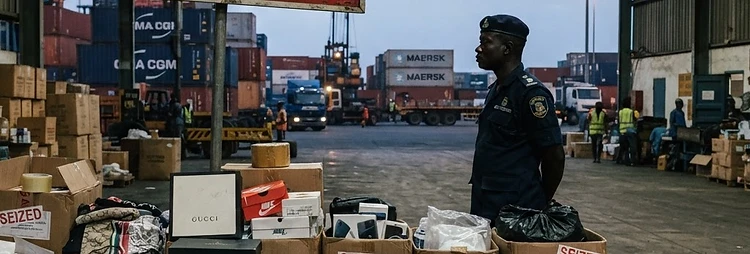
Before you order goods from China, you need to know whether they can legally enter Ghana. Ghana Customs Division maintains a list of prohibited items (completely banned) and restricted items (allowed only with special permits). Shipping a prohibited item can result in seizure, fines, and even criminal charges — and it can delay your entire shipment while the issue is sorted out.
This guide covers both categories in detail: what's absolutely banned, what requires a permit, how to get the permits you need, and what to do if you're unsure about a specific product. When in doubt, always check before you buy — it's far easier to avoid a problem than to fix one after your goods have already shipped.
Prohibited Items — Completely Banned
These items cannot be imported into Ghana under any circumstances. Attempting to import them can result in seizure, destruction of goods, heavy fines, and criminal prosecution.
Narcotics and illegal drugs
Heroin, cocaine, methamphetamine, and all other controlled substances. Drug trafficking carries severe criminal penalties in Ghana.
Counterfeit currency and goods
Fake banknotes, replica designer products, counterfeit electronics, and pirated software or media. Customs actively inspects for these.
Pornographic and obscene materials
Adult content, obscene publications, and materials deemed offensive under Ghanaian law.
Hazardous and toxic waste
Industrial waste, medical waste, radioactive materials, and environmentally harmful substances per international conventions.
Weapons and ammunition (without permit)
Firearms, ammunition, explosives, and military-grade equipment. These require special police and interior ministry permits.
Stolen goods
Any goods known to be stolen or obtained through illegal means.
Certain plants and animals (CITES)
Endangered species and products derived from them, per the Convention on International Trade in Endangered Species.
Restricted Items — Permit Required
These items can be imported but require special permits, licenses, or approvals from the relevant Ghanaian authority before customs will release them. You must obtain the permit before your goods arrive — applying after arrival causes significant delays.
Pharmaceuticals and medicines
Ghana FDAAll medicines, drugs, and health products require registration and an import permit from the Food and Drugs Authority.
Food, dairy, and meat products
FDA / MoFAPackaged foods, dairy, meat, and perishables require FDA approval and may need a phytosanitary or veterinary certificate.
Chemicals and hazardous materials
EPA GhanaIndustrial chemicals, solvents, and hazardous materials require an Environmental Protection Agency permit.
Electronics with lithium batteries
Carrier / IATABatteries must be declared and packed per IATA (air) or IMDG (sea) dangerous goods rules. Not a Ghana permit, but a shipping requirement.
Live animals and animal products
Veterinary ServicesPets, livestock, and animal-derived products require veterinary health certificates and import permits.
Plants and agricultural seeds
Plant ProtectionLive plants, seeds, and planting material require a phytosanitary certificate from the Plant Protection & Regulatory Services Directorate.
Cosmetics and beauty products
Ghana FDASkin care, hair care, and cosmetic products may require FDA registration, especially those containing active ingredients.
Telecommunications equipment
NCA GhanaCertain radio equipment, transmitters, and telecom devices require National Communications Authority type approval.
Air Freight vs Sea Freight Restrictions
Some items are restricted differently depending on whether they travel by air or sea. Air freight has stricter safety rules because of aviation regulations:
| Item | Air Freight | Sea Freight |
|---|---|---|
| Lithium batteries (loose) | Restricted — strict packaging | Allowed with declaration |
| Flammable liquids (perfume, etc.) | Prohibited on passenger flights | Allowed with IMDG packaging |
| Compressed gases | Prohibited | Allowed with declaration |
| Magnetized materials | Restricted — may affect navigation | Generally allowed |
| Dry ice (for cooling) | Limited quantity allowed | Allowed with declaration |
| General electronics | Allowed | Allowed |
What Happens If You Ship a Prohibited Item?
Detection during inspection
Customs officers identify the prohibited item during document review or physical examination of your shipment.
Seizure
The prohibited item is seized by Customs. It will not be released to you under any circumstances.
Shipment delay
Your entire shipment may be held while Customs processes the seizure. Even the non-prohibited items can be delayed for days or weeks.
Fines and penalties
Depending on the item, you may face significant fines. Drug-related offenses carry criminal prosecution and potential imprisonment.
Destruction
Seized prohibited goods are typically destroyed. You receive no compensation for the lost goods or the shipping costs you already paid.
How to Check Before You Buy
The best way to avoid customs problems is to check before you place your order. Here's our recommended process:
- Tell us what you plan to import before ordering from your supplier
- We'll check whether the product is prohibited, restricted, or freely importable
- If it's restricted, we'll tell you what permit you need and which authority to contact
- Obtain any required permits before your goods ship from China
- Declare your goods accurately on all customs documents
- If in doubt, ask — we'd rather answer a question than handle a seizure
Frequently Asked Questions
Not Sure If Your Product Is Allowed?
Tell us what you want to import and we'll check whether it's prohibited, restricted, or freely importable — before you spend money on goods that can't clear customs.